- Jun 02 Tue 2009 08:19
-
廈門-南普陀寺


- May 28 Thu 2009 10:48
-
廈門、南靖田螺坑土樓之旅

向廈門、南靖田螺坑土樓出發!
第一天
南普陀寺 ~ 虎溪岩 ~ 白鹿洞 ~ 茶藝表演
廈門的地形仿佛像一隻白鷺,故稱為鷺島。由於風景美麗又有海上花園美名。
南普陀寺是廈門著名古刹,居於鷺島名山五老峰前,背依秀奇群峰,面臨碧澄海港,風景絕佳。
五代宋初,即有高僧依山結廬梵修。明季擴建殿堂,模規初具清初重修改今始名。
- May 28 Thu 2009 10:48
-
廈門、南靖田螺坑土樓之旅

向廈門、南靖田螺坑土樓出發!
第一天
南普陀寺 ~ 虎溪岩 ~ 白鹿洞 ~ 茶藝表演
廈門的地形仿佛像一隻白鷺,故稱為鷺島。由於風景美麗又有海上花園美名。
南普陀寺是廈門著名古刹,居於鷺島名山五老峰前,背依秀奇群峰,面臨碧澄海港,風景絕佳。
五代宋初,即有高僧依山結廬梵修。明季擴建殿堂,模規初具清初重修改今始名。
- May 24 Sun 2009 07:23
-
在乎

在乎
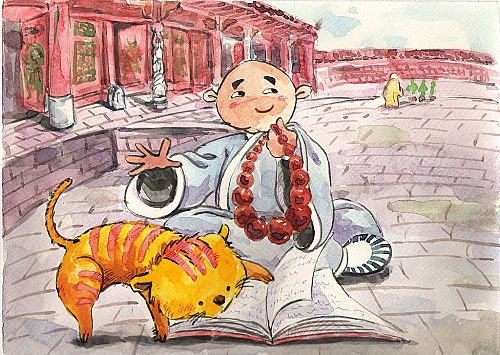
從前在山中的廟裡,有一個小和尚被要求去買食用油。在離開前,廟裡的廚師交給他一個大碗,並嚴厲地警告:「你一定要小心,我們最近財務狀況不是很理想,你絕對不可以把油灑出來。」
小和尚答應後就下山到城裡,到廚師指定的店裡買油。在上山回廟的路上,他想到廚師兇惡的表情及嚴重的告誡,愈想愈覺得緊張。小和尚小心翼翼地端著裝滿油的大碗,一步一步地走在山路上,絲毫不敢左顧右盼。很不幸的是,他在快到廟門口裡時,由於沒有向前看路,結果踩到了一個洞。雖然沒有摔跤,可是卻灑掉三分之一的油。小和尚非常懊惱,而且緊張到手都開始發抖,無法把碗端穩。終於回到廟裡時,碗中的油就只剩一半了。
廚師拿到裝油的碗時,當然非常生氣,他指著小和尚大罵:「你這個笨蛋!我不是說要小心嗎?為什麼還是浪費這麼多油,真是氣死我了!」小和尚聽了很難過,開始掉眼淚。另外一位老和尚聽到了,就跑來問是怎麼一回事。了解以後,他就去安撫廚師的情緒,並私下對小和尚說:「我再派你去買一次油。這次我要你在回來的途中,多觀察你看到的人事物,並且需要跟我做一個報告。」
- May 21 Thu 2009 22:04
-
練習音階的遊戲

練習音階的遊戲
近日因為準備考試,正努力練習音階 scale 和 琶音 arpeggios, 威廉為了鼓勵我努力練習,特別購買了這個樂譜飛標給我,令我最討厭練習的音階也可成為樂趣!
現在考試已結束,終於可以鬆一口氣。這次不一樣的考試也為我帶來一些啟發......令我對自己又多了點認識
- May 21 Thu 2009 22:04
-
練習音階的遊戲

- May 18 Mon 2009 23:05
-
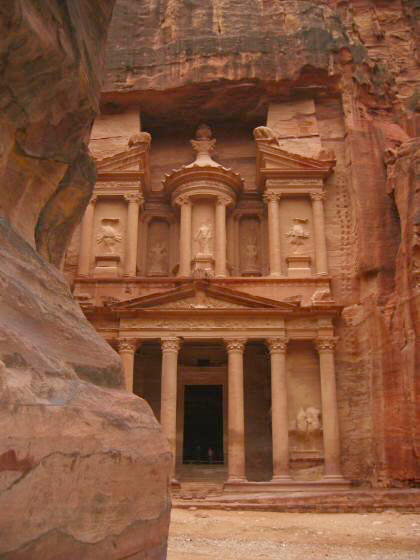
Petra - 佩特拉古城
- May 18 Mon 2009 23:05
-
Petra - 佩特拉古城
- May 17 Sun 2009 00:03
-
Neapolitan song
Neapolitan song
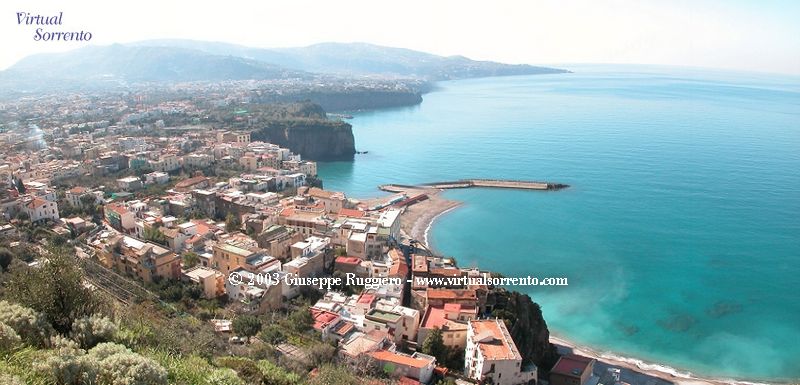
It is a generic term for a traditional form of music sung in the Neapolitan language, ordinarily for the male voice singing solo, and expressed in familiar genres such as the lover's complaint or the serenade. It consists of a large body of composed popular music—such songs as O sole mio, Torna a Surriento, Funiculì, Funiculà, Santa Lucia and others.
Many of the Neapolitan songs are world-famous because they were taken abroad by emigrants from Naples and southern Italy roughly between 1880 and 1920. The music was also popularized abroad by performers such as Enrico Caruso, who took to singing the popular music of his native city as encores at the Metropolitan Opera in New York in the early 1900s.
It is a generic term for a traditional form of music sung in the Neapolitan language, ordinarily for the male voice singing solo, and expressed in familiar genres such as the lover's complaint or the serenade. It consists of a large body of composed popular music—such songs as O sole mio, Torna a Surriento, Funiculì, Funiculà, Santa Lucia and others.
Many of the Neapolitan songs are world-famous because they were taken abroad by emigrants from Naples and southern Italy roughly between 1880 and 1920. The music was also popularized abroad by performers such as Enrico Caruso, who took to singing the popular music of his native city as encores at the Metropolitan Opera in New York in the early 1900s.
- May 17 Sun 2009 00:03
-
Neapolitan song
Neapolitan song
It is a generic term for a traditional form of music sung in the Neapolitan language, ordinarily for the male voice singing solo, and expressed in familiar genres such as the lover's complaint or the serenade. It consists of a large body of composed popular music—such songs as O sole mio, Torna a Surriento, Funiculì, Funiculà, Santa Lucia and others.
Many of the Neapolitan songs are world-famous because they were taken abroad by emigrants from Naples and southern Italy roughly between 1880 and 1920. The music was also popularized abroad by performers such as Enrico Caruso, who took to singing the popular music of his native city as encores at the Metropolitan Opera in New York in the early 1900s.
It is a generic term for a traditional form of music sung in the Neapolitan language, ordinarily for the male voice singing solo, and expressed in familiar genres such as the lover's complaint or the serenade. It consists of a large body of composed popular music—such songs as O sole mio, Torna a Surriento, Funiculì, Funiculà, Santa Lucia and others.
Many of the Neapolitan songs are world-famous because they were taken abroad by emigrants from Naples and southern Italy roughly between 1880 and 1920. The music was also popularized abroad by performers such as Enrico Caruso, who took to singing the popular music of his native city as encores at the Metropolitan Opera in New York in the early 1900s.
